
ARTICLE
Battery Energy Storage Systems Powering Homes
By Jesse Vanderhoof | July 1, 2026
Read Time: 2 Minutes
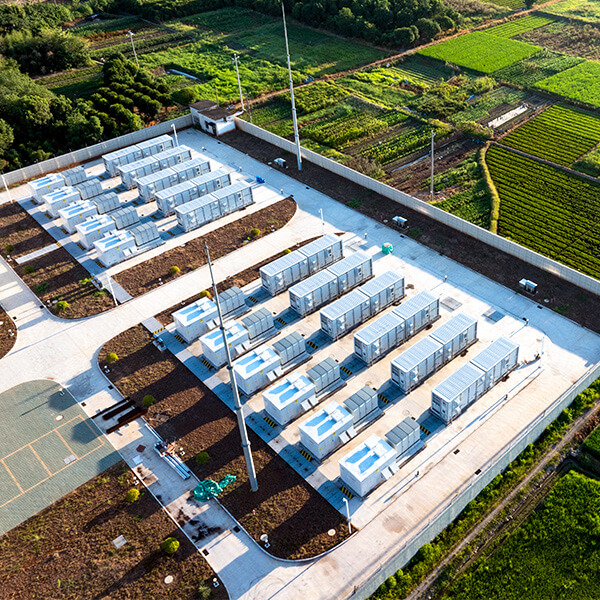
As energy demand grows and grid reliability becomes more uncertain, battery energy storage systems (BESS) have emerged as essential infrastructure — keeping homes powered during outages and supporting essential loads to move towards grid independence. In 2026, advancements in battery chemistries, grid-interactive technologies and incentive programs have strengthened the value proposition of adopting on-site energy storage.
Advancements in Residential Battery Energy Storage Deliver Transformational Benefits
Residential battery storage technologies and programs are evolving quickly and changing how energy is used at home. Thanks to these improvements, homeowners can now manage their energy use, save on costs, become more resilient during power outages and participate as a Virtual Power Plant (VPP) for the utility. Homeowners are shifting from passive energy customers to active energy managers, buying, storing, using and even selling electricity strategically.
Battery Chemistries
Battery technology has undergone a remarkable transformation over the past decade. While lithium-ion batteries still dominate the market, innovations in materials science are pushing performance, safety and longevity far beyond earlier limitations. New chemistries such as lithium iron phosphate (LFP) and emerging solid-state batteries are increasing safety, lifecycle and cost-effectiveness. LFP batteries are the safest mainstream option, offering thermal stability and 10-15 years of life.1
Energy storage is no longer just for backup. It enables strategic energy use, cost savings and resilience.
Grid-Interactive Technologies
Energy systems are becoming more intelligent and interconnected. Technologies such as smart energy management systems, demand response platforms and vehicle-to-grid integration allow users to actively participate in grid operations. For example, homeowners can store low-cost energy and discharge during peak windows to lower energy bills through time-of-use optimization.
Now, homeowners can gain control over energy usage, reduce costs and contribute to grid resiliency.
Incentive Programs
Governments and utilities are offering a wide range of programs to encourage investment in clean energy and storage. These include federal tax credits, state rebates and utility demand response programs that can help residential customers significantly save on their energy bills. The Federal Investment Tax Credit (ITC) provides a 30% credit for storage through 20332, with adders enabling up to 50% savings.
Incentives reduce upfront costs and create ongoing financial returns through participation in energy programs.
Your Partner for Battery Energy Storage Systems
Wesco provides comprehensive energy solutions from procurement and logistics to engineering support, helping residential builders and contractors design, source and deploy BESS systems with confidence. With a global supply network and deep expertise in energy transformation technologies, Wesco helps ensure reliable product availability, technical guidance and end‑to‑end project support, enabling faster adoption of resilient and cost‑saving storage solutions.

ABOUT THE AUTHOR
Jesse Vanderhoof
Senior Director, Sales
Jesse Vanderhoof is an industry leader in solar and renewable energy with over two decades of experience driving growth, building strategic partnerships and scaling high-performing teams. As Senior Director, Sales at Wesco, Jesse focuses on accelerating the adoption of solar, storage and electrification solutions across commercial, residential and utility markets.
You might also like
-
Leveraging Commercial Battery Storage Systems To Drive Results June 12, 2026 Learn why commercial battery storage systems are growing fast, driven by cost savings, operational resilience, incentives and new grid revenue opportunities.Article
-
Navigating the Complexities of Utility-Scale Solar Projects November 10, 2025 Did you know that utility-scale solar is currently the third largest renewable energy source in the world? Are you ready to tackle these projects? Read the article to learn about the associated complexities and how to best navigate them.Article
-
Driving Supply Chain Efficiency Amidst the Energy Transition October 6, 2025 Wesco is a leading strategic partner focusing on successful project delivery and sustainability. Sean Grasby discusses how Wesco continues to support the global energy transition while taking project management expertise to greater heights.Article