














Battery Energy Storage Systems (BESS)


Wesco helps contractors and utilities identify, select and deploy BESS solutions that meet their operational goals and maximize return on investment.

The global BESS market is surging, driven by grid modernization and the expansion of renewable energy integration. As deployments accelerate, contractors, system designers, building owners, and facility managers must develop a strong understanding of energy storage solutions to stay competitive.


BESS Solutions for Any Scale

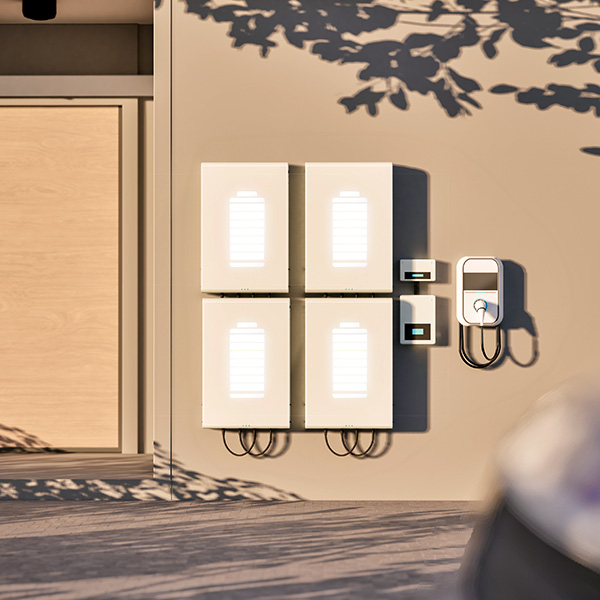
Modern battery energy storage systems support a variety of applications, including pure energy storage, solar + storage, backup power, and microgrids. From residential backup systems and EV charging to utility-scale installations, Wesco delivers tailored solutions for every application.


Homebuilders and contractors rely on Wesco’s residential BESS solutions and expertise to enhance energy independence and provide reliable backup power for homeowners.


Wesco provides commercial BESS solutions that help businesses control energy costs, maintain operations during outages, and optimize renewable investments.


As utility‑scale BESS deployments accelerate, Wesco provides the guidance and solutions utilities need to integrate renewables, reduce outages, and enhance grid stability.


The Value of Battery Storage

Battery storage delivers more than backup power. It enables smarter energy management, operational efficiency, financial optimization, and sustainability for every scale. By capturing and storing power generated from intermittent resources like solar and wind, battery storage allows customers to use clean energy exactly when they need it most.

Integrating battery storage into solar installations helps address both immediate and long-term challenges related to reliability and sustainability:
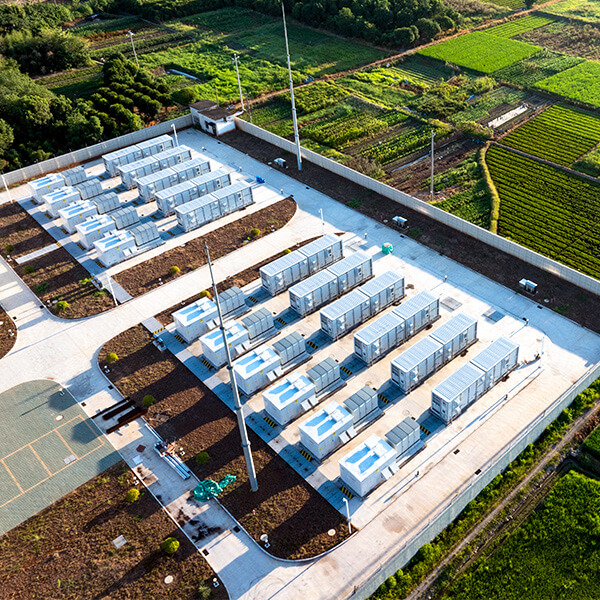

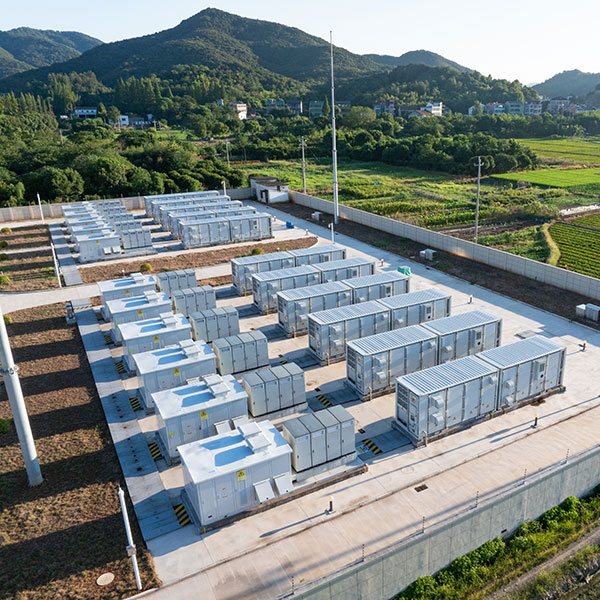
Overlooking the energy storage power station
  • Clean, consistent power even when the sun isn’t shining
  • Optimized use of self-generated energy, reducing dependency on the grid
  • Backup power during outages, supporting a more resilient energy system
  • Reduced operational disruptions for businesses that rely on continuous power

The Department of Energy estimates power outages cost the U.S. economy an estimated $150 billion annually.¹ Battery storage ensures critical equipment stays operational, improving both comfort and business continuity. BESS solutions offer several measurable financial advantages:

  • Store energy during off-peak hours and discharge during peak-rate periods
  • Reduce utility costs by lowering peak demand charges
  • Ease strain on the grid and reduce the likelihood of failures


Residential Battery Energy Storage

Homeowners across the U.S. are increasingly investing in battery storage as part of their solar energy systems. Residential battery storage provides:


Multiple lightning during thunderstorm at night.

Energy Resilience and Backup Power

Keep key appliances running during outages refrigerators, medical devices, lights, Wi-Fi routers, and more. Storage helps maintain comfort and safety even when utility power is unavailable.

Woman managing invoices and finances at home office using laptop.

Lower Utility Bills

Homeowners can store energy when rates are low and use it when prices peak. This reduces monthly electricity bills and protects against rising utility rates.


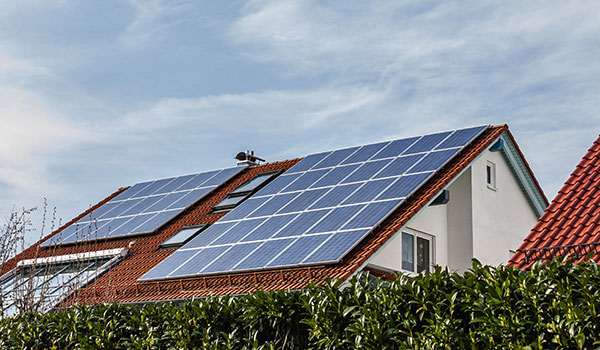
House with solar panels on rooftop.

Better Use of Solar Power

Battery storage maximizes self-consumption, allowing homeowners to use more of the energy they produce and rely less on the grid.


An aerial view of a residential area.

Environmental Benefits

Residential storage enables homes to operate on clean, sustainable energy around the clock, reducing carbon emissions and reliance on fossil fuels.


Family during dinner, celebrating together in the backyard.

Home Value and Incentives

Incentives such as the Federal Investment Tax Credit (ITC) and various state programs make battery storage more affordable and can increase home value by improving energy independence.

Featured Article

Driving Supply Chain Efficiency Amidst the Energy Transition

Wesco keeps renewable energy projects moving forward.


Commercial Battery Energy Storage

Businesses, schools, data centers, and manufacturing facilities rely on uninterrupted power. Commercial battery storage provides significant operational and financial advantages, including:


Modern real estate buildings at night.

Peak Demand Reduction

Commercial customers often face high demand charges. Storage lowers these peaks, resulting in substantial monthly savings.

Chief Technical Officer Working at Metal Components Production Factory

Reliable Backup Power

Power interruptions can cause equipment downtime, lost productivity, and revenue loss. Battery storage keeps critical systems online, protecting operations and avoiding costly disruptions.


Businesswoman sitting on an office table using a tablet.

Energy Cost Optimization

By shifting energy use away from high-rate periods, organizations can significantly reduce utility bills and predict long-term energy expenses.

Office buildings with trees outside.

Support for Sustainability Goals

Commercial storage helps organizations meet ESG, sustainability, and carbon-reduction commitments while improving energy resilience.


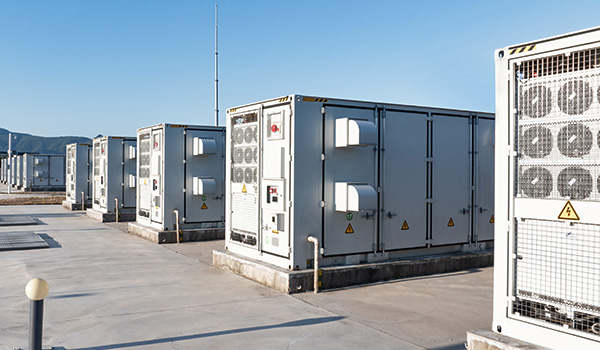
Energy storage power station.

Microgrid and Backup System Integration

Battery storage can integrate with solar, EV charging, and other distributed resources to create microgrids that support campus-wide or facility-wide energy independence.

Aerial view of chemical oil refinery plant.

Scalability

From small businesses to large industrial plants, battery systems scale to fit specific operational needs, making them ideal for diverse applications.


Utility-Scale Battery Energy Storage

Grid operators and utilities are navigating unprecedented complexity from rapid renewable adoption to aging infrastructure, and unpredictable demand patterns. Battery storage has transitioned into a standard planning consideration to address these challenges. BESS can help utilities stabilize operations, optimize resources, and strengthen continuity across the energy network.


+66%

U.S. utility-scale BESS capacity growth in 2024 (>26 GW)


+10.3 GW

BESS capacity added by power providers in 2024


+19.6 GW

Additional BESS capacity planned by grid operators in 2025


Model Before You Build

Dynamic modeling and simulation allow utilities to evaluate how a utility‑scale BESS will perform under real operating conditions before committing capital. By testing scenarios such as load behavior, system constraints, and operating strategies, teams can validate use cases, understand tradeoffs, and determine the most effective role for storage on the grid.

This upfront analysis helps utilities make informed, data-driven decisions ensuring BESS investments are sized, located and configured to support both near‑term operations and long‑term planning objectives.

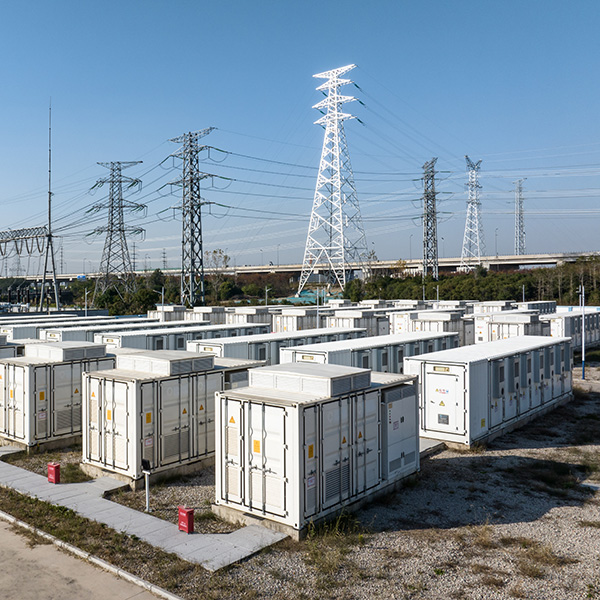
Battery storage units by utility lines.

Stacking BESS Use Cases

Combining multiple use cases within a single battery storage system maximizes ROI and operational flexibility. This approach can also help streamline leadership approval and strengthen the case for funding by demonstrating broader impact and efficiency gains.

Arbitrage Icon
Arbitrage

Store energy when prices are low and discharge when prices peak.

Balance Demand Icon
Balance Demand

Smooth out fluctuations in energy consumption.

Reliability Icon
Reliability

Maintain consistent power supply during outages or disruptions.

Capital Offset Icon
Capital Offset

Defer costly infrastructure upgrades.

Customer Changes Icon
Customer Changes

Adapt to evolving energy needs and distributed generation.

Load Leveling Icon
Load Leveling

Reduce strain on the grid during peak hours.

Voltage Regulation Icon
Voltage Regulation

Stabilize grid voltage for improved performance.

Distributed Energy Resources (DER) Icon
Distributed Energy Resources (DER)

Support distributed energy resources for a more resilient grid.


BESS Infographic


A Practical Framework for Utility Battery Energy Storage Planning

Explore a clear, utility‑focused framework to help you evaluate, design, and deploy battery energy storage systems that deliver long‑term grid reliability, flexibility, and value.


Your BESS Supply Chain Solutions Partner

Wesco delivers more than components. We provide full-scope solutions for every scale. Whether you’re powering a home, optimizing a commercial facility, or modernizing the grid, we support your project from planning and system configuration through sourcing, logistics and deployment. Our expertise ensures seamless integration and long-term reliability across residential, commercial and utility applications.

Global sourcing and procurement
Inventory management
Logistics and transportation
Warehousing and distribution
Vendor consolidation
Custom kitting and pre-assembly
Project scheduling and coordination
Risk mitigation and compliance
Lifecycle support
Digital supply chain visibility


Latest from the Knowledge Hub


Power your future with Wesco.

From homes to utilities, we deliver battery storage solutions at any scale.

Get in touch with our battery storage experts today.