SPONSORED
Demand Meets Innovation: The Evolution of the Modern Data Center
By ASSA ABLOY | September 16, 2025
Read Time: 3 Minutes

Data centers are essential to the digital world and are continually evolving in size, functionality and geographic spread. The proliferation of cloud services, data lakes, AI, and advances in physical and cybersecurity have driven these rapid changes. As facilities grow in complexity and demand, physical security and sustainable building practices are more intertwined than ever.
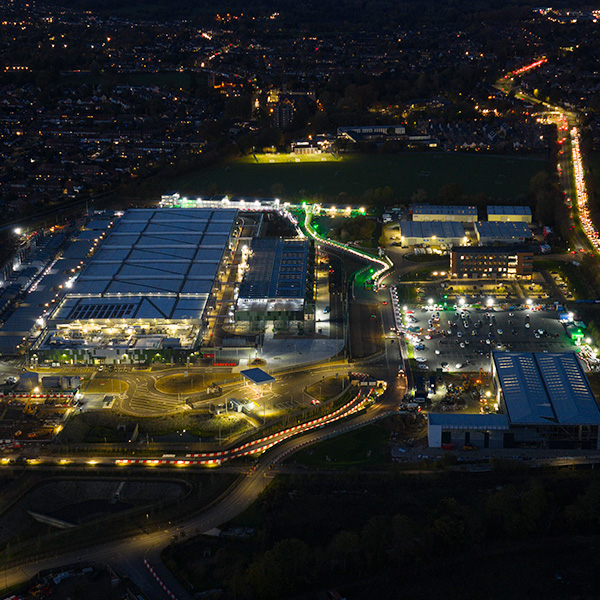
Traditionally, data centers were built near major power sources and away from high-risk weather zones. Today, they're appearing in more regions across the U.S., driven by increasing demand, the availability of renewable energy and the need for resilient infrastructure capable of withstanding severe environmental conditions.
At the recent Green Building Initiatives (GBI) Advancing Sustainable Data Centers Seminar in Leesburg, Virginia, industry leaders, including those from ASSA ABLOY, discussed how the sector is responding to its environmental impact. A 2022 International Energy Agency report noted that data centers account for nearly one percent of global electricity usage and contribute 0.3 percent of CO₂ emissions. The momentum has only grown since then, with organizations embracing sustainable materials and methods.
As Amy Musanti, Director of Sustainable Building Solutions at ASSA ABLOY said at the seminar, “the industry is making strides in using more responsible and efficient building materials and construction techniques, including those involving door security solutions.” When asked about the common belief that sustainability and security are at odds, Amy explained, “quite the contrary. Products like ours in the door security industry reduce carbon footprints, provide tax credits, and help progressive builders meet compliance and certification objectives.”
These demands are also pushing innovation forward. For example, a data center provider needed an access control electromechanical lock that would both consume significantly less power and include an end-of-line resistor to detect tampering. That challenge sparked the transition from solenoid-driven hardware to motorized lock solutions. And in doing so, the provider reduced electromechanical power consumption by 96 percent (as evaluated by GreenCircle Certified). In large-scale data center environments, these savings matter – freeing up more energy for computing power while lowering operational costs.
Reducing embodied carbon was another major theme at the GBI event, and selecting products with Environmental Product Declarations (EPDs) is a key strategy. A growing number of ASSA ABLOY door security solutions meet these criteria.
The ASSA ABLOY portfolio also includes EMI-RFI/STC shielding door and frame assemblies with adjustable seals, ideal for sensitive environments like SCIFs or secure data halls. These solutions help protect critical electronic information from interference or breach.
As more facilities are built in regions vulnerable to extreme weather, the demand is rising for windstorm- and blast-resistant doors and hardware. Many data centers also require oversized openings to move equipment in and out efficiently, while STC-rated doors are used to manage sound transmission in high-decibel areas.
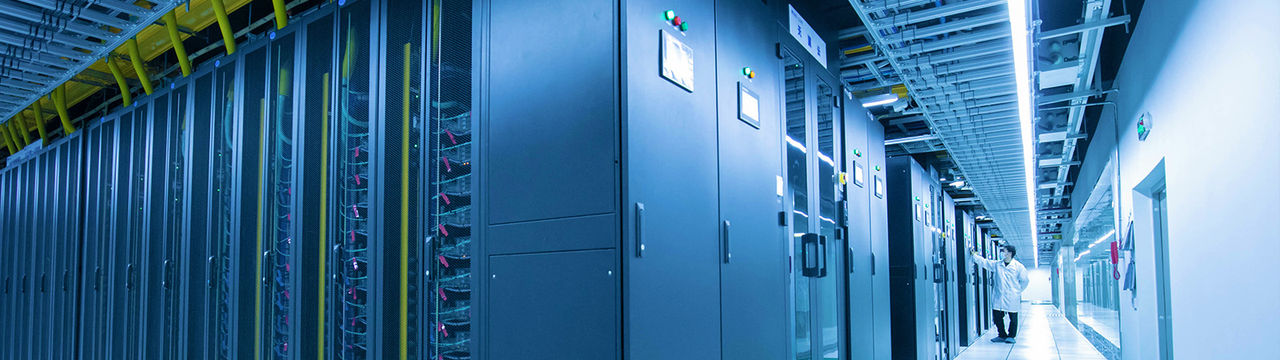
Securing a data center requires a layered approach. At the perimeter, high-security fencing, bollards, guard booths and barriers deter unauthorized access, while advanced fencing designs support integration with intrusion detection and surveillance systems. Inside, commercial-grade doors, frames and hardware enable controlled access to critical areas. Main entrances often feature vestibules, and many facilities use security revolving doors to detect and prevent tailgating. In regions exposed to extreme weather, doors and hardware must meet stringent performance standards to protect people and property.
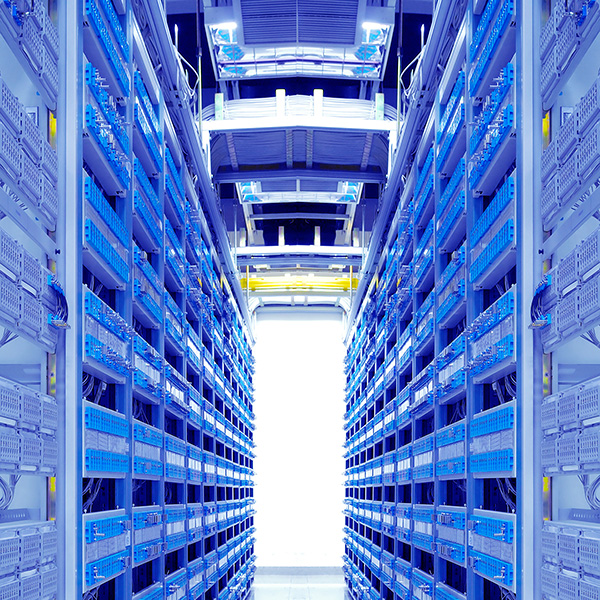
Within the data hall, cabinet-level security is crucial, especially in shared facilities. Secure cabinet locks using protocols like OSDP reduce the risk of accidental or malicious breaches. Power management is equally important; intelligent systems support access control and surveillance infrastructure, while backup generators ensure continuity during outages. Because these systems often rely on fuel-based resources, secure storage and routing are vital.
As data centers expand, supporting security, sustainability and resiliency at every layer – from the outer perimeter to the server cabinet – becomes paramount.
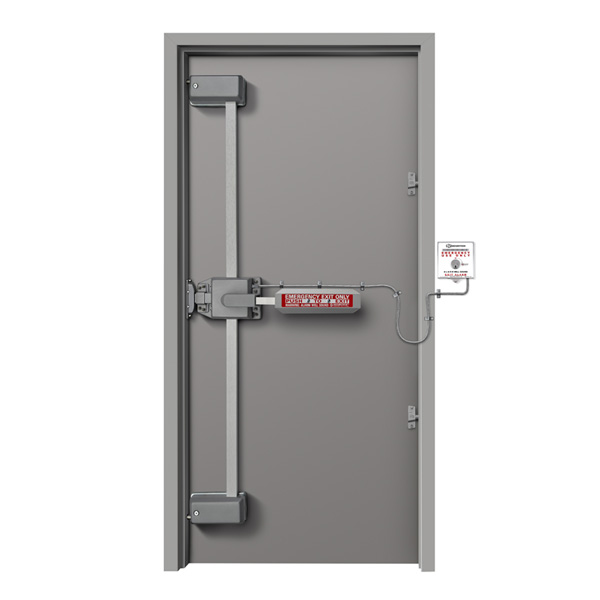 ASSA ABLOY TEL MD21 Two Hinge Pins
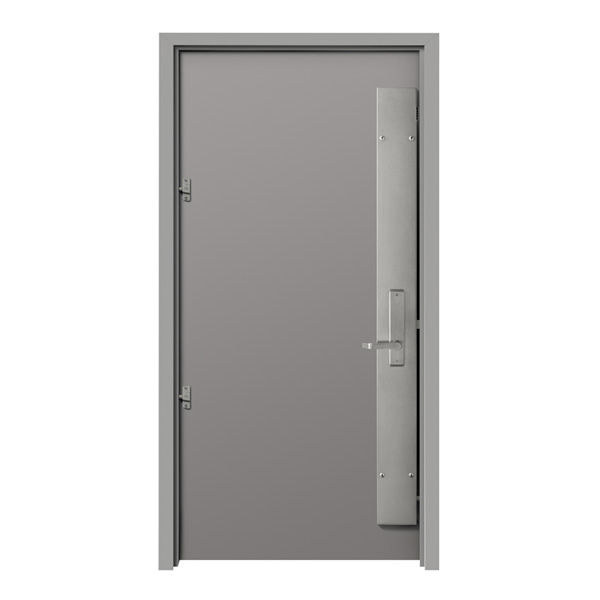 ASSA ABLOY ABM on Door Closed
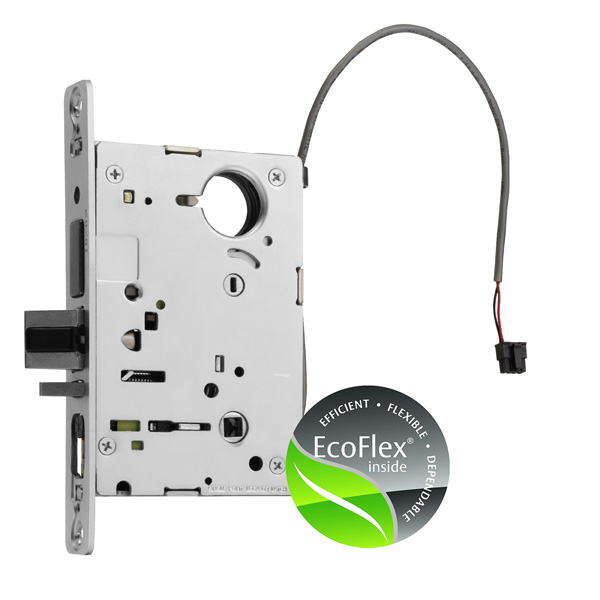 ASSA ABLOY SAR 8200 EcoFlex silo
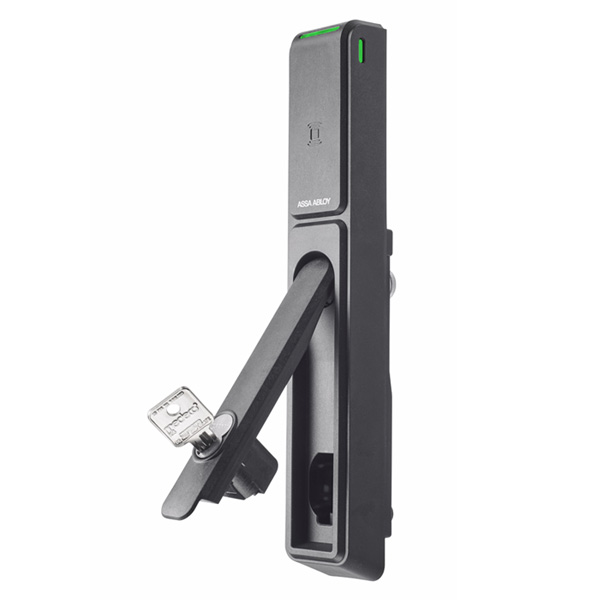 ASSA ABLOY KS OSDP Left Open
Securing Your Sustainable Data Centers
As demand for secure, sustainable data centers grows, Wesco and ASSA ABLOY’s partnership delivers integrated solutions that meet evolving industry needs. Wesco’s deep market reach and technical expertise complement ASSA ABLOY’s innovative security technologies, enabling data center operators to deploy compliant, energy-efficient systems at scale. Together, they support customers with tailored access control, perimeter protection and resilient infrastructure strategies that align with sustainability and security goals.


ABOUT THE AUTHOR
Chris Hobbs
Director, National Accounts, U.S. Opening Solutions at ASSA ABLOY
With 20+ years of experience in security industry sales, marketing and business development, plus 12 years in operations, Chris has built a career focused on delivering tailored solutions across diverse markets, including data centers, higher ed, pharma, manufacturing, retail, logistics, hospitality and Fortune 100 enterprise clients.
You might also like
-
The Rise of “Construction-Ready” Supply Chains: A New Model for Data Center Build Speed May 11, 2026 In this EC&M feature, Wesco and Eaton share a new model for speeding data center builds by reducing risk and improving gray space execution.Article
-
Solving Data Center Development Challenges April 14, 2026 Discover key data center development challenges and how Wesco supports data center power requirements and supply chain considerations to keep projects on track.Article

-
Q1 Construction Industry Report — North Central March 23, 2026 Read the Q1 Construction Industry Report — North Central to learn the latest trends, challenges and growth opportunities for the region.Article