SPONSORED
Future-Proof Security With Innovative Access Control Systems
By Aiphone | July 15, 2025
Read Time: 3 Minutes

Smart security starts with smarter access control. As organizations face new threats, greater complexity and rising user expectations, leading access control systems are evolving to meet the moment. Cloud readiness, scalability and ease of use are now essential to building a future-ready security foundation.
Cloud vs. On-Premises: Choosing the Right Security Access Management System
Most modern access control systems offer deployment flexibility to accommodate diverse organizational needs and financial models. "When evaluating access control, organizations need to think about whether the investment should be treated as a capital expense or an operational expense," explains David Muncie, Product Manager at Aiphone. "Capital expenses typically involve a larger upfront investment, while operational expenses spread costs over time with a more predictable monthly fee structure."
On-premises deployments typically represent capital expenses with upfront investments and ongoing maintenance requirements. These deployments often make sense for larger buildings and campuses with substantial infrastructure already in place. Organizations with sensitive security requirements or specialized compliance needs often prefer this approach where they have direct oversight of all security components.
Cloud-based deployments, by contrast, function as operational expenses with predictable monthly costs. This approach frees organizations from server maintenance and software updates while offering greater flexibility. With cloud systems, adding doors or locations becomes simpler, as there's no need to deploy additional servers or infrastructure.
Scalable Security Systems for Expanding Building Access Management
Scalability in access control has specific technical and operational implications. Technically, it refers to a system's ability to increase the number of users, doors and sites without significant infrastructure changes. Operationally, it allows organizations to expand across new locations and business units with minimal overhead.
"Security professionals need to understand the business first," notes Muncie. "What does the organization do? Are they dealing with regulatory compliance that impacts how data is stored and accessed? Do they have plans for growth?” Once you understand these business elements, you can better guide them toward the right solution, whether on-premises or cloud-based.
Smart Automation and Open APIs
Modern access control systems prioritize ease of use and straightforward configuration for automation. Through open APIs and intuitive programming interface, businesses can create automated workflows and conditional responses across integrated systems without specialized technical expertise.
For example, multi-tenant buildings benefit from integrations between property management software and access control, where tenant move-ins and move-outs automatically provision or revoke credentials. For membership-based facilities like fitness centers, integration can automatically issue mobile credentials upon membership activation and revoke them upon expiration. Educational institutions can integrate access control with mass notification systems to trigger lockdowns during emergencies. Integration with fire alarm systems allows automatic unlocking of doors when alarms activate, facilitating safe egress.
These integrations create unified, responsive and reliable security ecosystems. When systems work cohesively, buildings become smarter, more secure and more efficiently managed.
Business Impact and Return on Investment
Organizations that choose cloud-based, scalable, open access control systems experience business-level benefits beyond basic security functions. IT teams no longer need to manage software updates or maintain servers, allowing them to focus on other priorities. These systems can be deployed more quickly and scaled more easily as organizational needs change.
Open architecture also provides additional cost advantages by enabling organizations to reuse existing hardware components rather than replacing everything during system upgrades. The ability to preserve these edge devices while updating backend systems creates a more sustainable and cost-effective approach to security infrastructure management.
Looking Ahead: The Future of Cloud Security Access Control
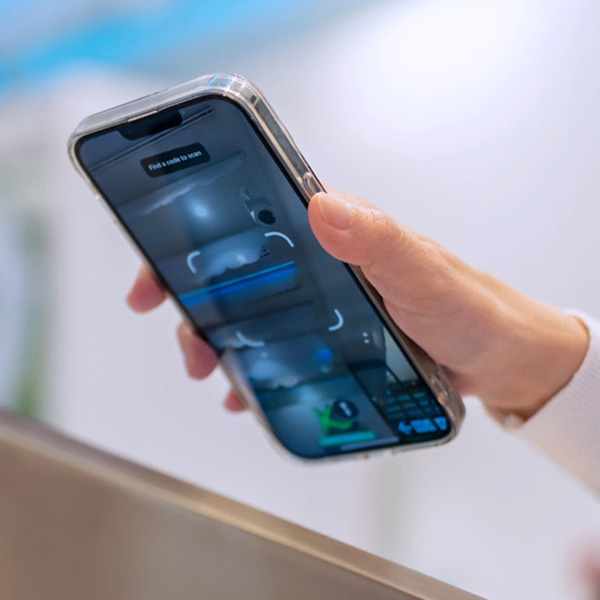
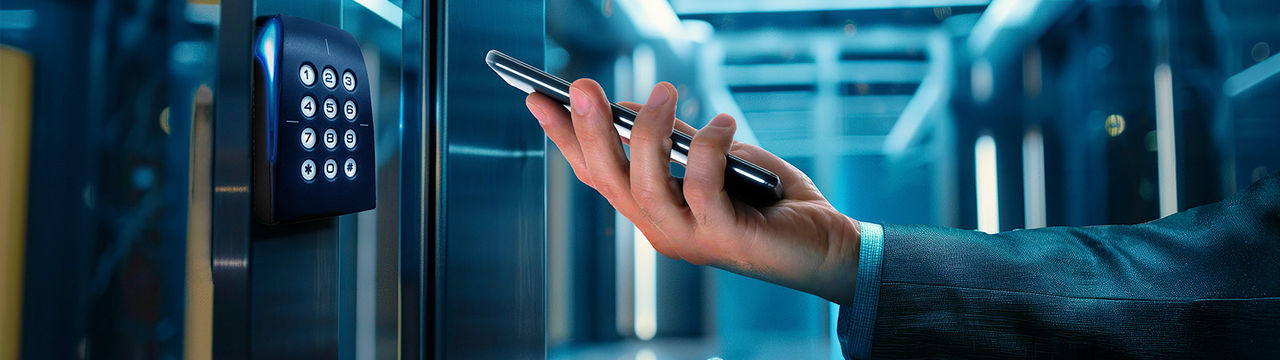
The access control industry is evolving rapidly. Mobile credentials are becoming more prevalent as smartphones replace traditional key cards and fobs. Biometric authentication continues to gain traction and AI and machine learning are emerging as powerful tools for anomaly detection and optimization of access patterns.
Cloud deployments are experiencing significant growth as organizations recognize their advantages. Security professionals should become well-versed in cloud benefits, as these systems will likely dominate the market in coming years.
For organizations planning their security infrastructure today, selecting open, flexible systems capable of integration with the broader security ecosystem will prove the most valuable long-term investment, ensuring they can adapt to changing security requirements and emerging technologies.


ABOUT THE SPONSOR
This article was brought to you in partnership with Aiphone.
Aiphone’s wide breadth of high-quality, reliable products offer solutions for security points in almost any application. Known for design simplicity, technical excellence, and backed by award-winning customer support, their highly configurable systems range from audio intercoms and sophisticated video entry systems to enterprise-level, IP-based communication networks with emergency call stations.
You might also like
-
Why A/V Integrators Should Offer Physical Security Solutions December 17, 2025 Professional A/V firms are expanding into cameras, access control and unified security. Learn why demand is rising and how Liberty helps you deliver, profit and scale.Sponsored
-
Examining the Aesthetics of Commercial Access Control November 21, 2025 Aesthetics in access control matter more than you think. From sleek readers that enhance modern spaces to design challenges and evolving options, we explore how visual impact influences client satisfaction, branding and system integration.Sponsored
-
Smart Surveillance for Modern Data Centers: Securing Our Digital World October 21, 2025 Explore smarter data center security solutions from Hanwha Vision and Wesco. Discover how AI-powered surveillance and thermal imaging can help protect your operations, ensure NDAA compliance and give you a competitive edge.Sponsored