
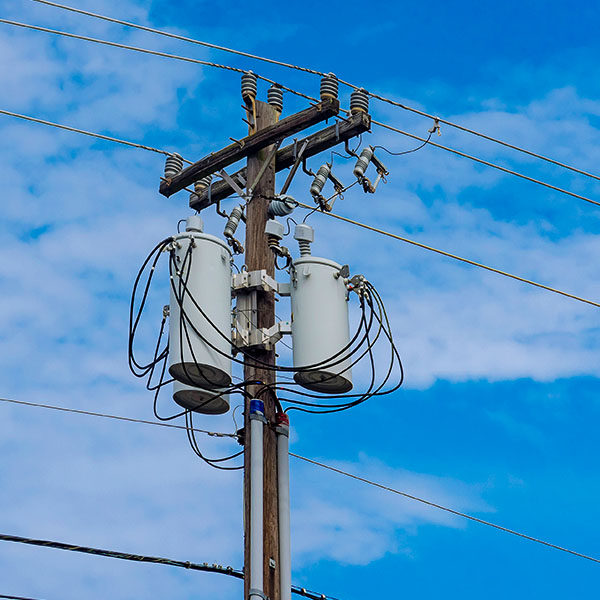
Rural power lines grid modernization


SPONSORED

Grid Modernization Without a Rebuild? It Is Possible.


Fast Forward logo

Utility leaders today face a familiar tension: rising customer expectations, aging infrastructure, increasing load and mounting pressure to manage costs. Conversations about grid modernization often default to large capital programs, including advanced automation, system rebuilds or sweeping technology deployments. But modernization does not have to begin with a multi-year overhaul. In many cases, it starts with better visibility and more effective integration into day-to-day operations.

Recent studies and industry reporting suggest that traditional legacy approaches alone may not keep pace with accelerating system stress. The path forward is not simply about replacing infrastructure. It is about supporting how utilities manage, prioritize and respond to the assets they already own.

From Inspection Cycles to Actionable Insight

Traditional inspection methods, including foot patrols, periodic flyovers and reactive service calls, have long supported system maintenance. However, they were built for a grid with lower load growth, fewer third-party attachments and less environmental volatility.

Today’s environment requires something different. Utilities need faster identification of emerging issues, better documentation of system conditions, more efficient allocation of limited field crews and a defensible baseline for asset management and compliance. Incremental modernization begins by embedding better data into existing workflows, rather than replacing those workflows entirely.

Enhancing Utility Asset Management Without Expanding Headcount

One of the most practical ways utilities can modernize is by improving system visibility at scale. High-speed visual documentation programs, for example, allow utilities to establish a time-stamped baseline of distribution assets across their territory.

When imagery and condition data are integrated into geographic information systems (GIS), work orders and engineering systems, utilities achieve numerous gains: system-wide visibility of pole conditions and attachments, faster verification of field reports, improved coordination between departments, and reduced duplication of manual inspections. Rather than adding personnel, utilities can often redeploy existing resources more strategically by prioritizing the highest-risk components and addressing issues before they escalate into outages.

Faster Issue Resolution, Fewer Unknowns

Incremental integration of image-based and condition-based tools shortens the feedback loop between detection and response. For example, identifying deteriorating components, overloaded attachments, or thermal anomalies earlier allows crews to plan corrective work during scheduled maintenance windows rather than responding under emergency conditions. Modernization, in this sense, is less about deploying new hardware and more about supporting faster, more informed decisions.

This shift can have measurable impact:

  • Fewer unplanned outages
  • Reduced repeat service calls
  • Lower overtime and emergency mobilization costs
  • Improved safety by minimizing exposure to unexpected failures

Reducing Workforce Requirements Through Better Information

Workforce constraints are one of the most pressing challenges facing utilities. Experienced line workers are retiring, hiring pipelines are tight and demands on field crews continue to increase. By embedding system-wide visual and condition data into operational planning, utilities can limit unnecessary truck rolls, reduce time spent verifying asset conditions in the field, pre-stage materials and crews more effectively, and support remote engineering reviews. The result is not workforce reduction. It is workforce optimization. Crews spend less time searching for problems and more time resolving them.

Grid Modernization as a Continuum, Not a Leap

Grid modernization is often portrayed as a destination. In practice, it is a progression. Utilities that move from more reactive maintenance models toward structured visibility and condition-based prioritization are already modernizing. Each incremental improvement, such as better documentation, improved data integration, and faster anomaly detection, raises the reliability baseline.

Over time, these steps compound. Asset life is often extended through earlier intervention. Reliability indices improve and compliance documentation becomes more defensible. Capital planning becomes more data-driven. Large-scale automation and advanced analytics can follow, but meaningful performance gains often begin with incremental integration into operational strategy.

A Practical Path Forward

Modernization does not require replacing the grid. It requires strengthening how the grid is understood, informed by data and supported through daily operations.

Utilities already manage complex systems under significant constraints. By embedding scalable data collection, condition monitoring and cross‑departmental integration into existing operations, utilities can enhance performance and decision‑making without waiting for a full system rebuild. For many, the practical question is no longer whether modernization is needed, but where incremental improvements in visibility and integration can deliver the greatest operational value.

Fast Forward supports this approach through system‑wide high‑speed visual and thermal data collected at scale using vehicle‑mounted sensing technology. In partnership with Wesco, Fast Forward works alongside utilities to align technology, services and data integration with the infrastructure already in place. Wesco’s utility expertise, supply chain services and technology integration capabilities help translate improved visibility into coordinated action across engineering, operations and maintenance.

Modernization is not a disruption, but a steady, utility‑driven progression that strengthens today’s operations while preparing for tomorrow’s demands.
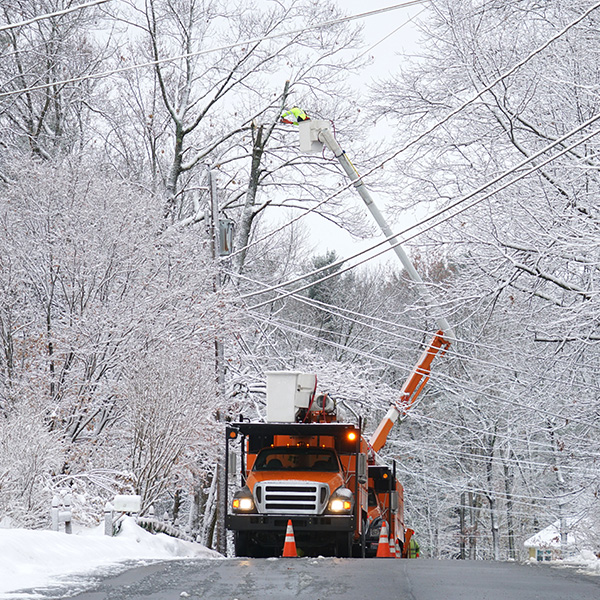
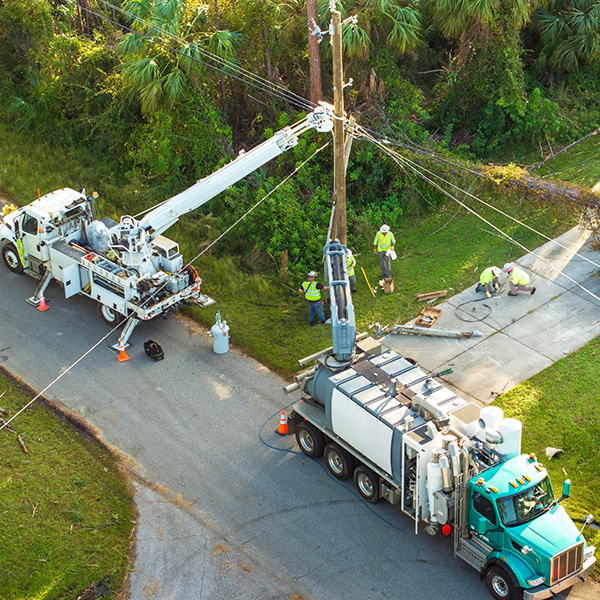


Start making incremental improvements towards modernization today. Learn more about Wesco’s grid services and connect with our experts.


Fast Forward logo

ABOUT THE SPONSOR

This article was brought to you in partnership with Fast Forward.
Fast Forward is revolutionizing how electric utilities and municipalities quantify assets at risk for outage and wildfires. Rapid system-wide visibility is achieved using vehicle mounted sensors — covering over 100,000 poles per week. The Fast Forward solution is ideal for rapid system inventory, tracking inspections and accelerating a wildfire mitigation plan.


You might also like