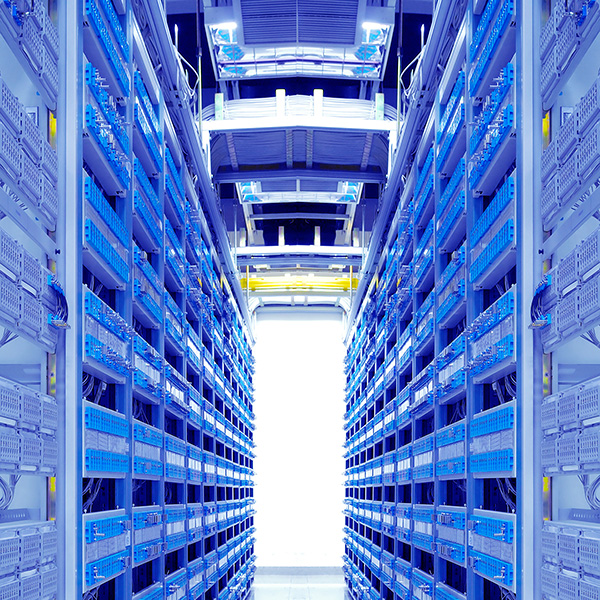
Engineers overlooking large data center


SPONSORED

The Case for Investing in Data Center Electrical Safety


Why Electrical Safety Is Now a Business‑Critical Metric

As AI continues to fuel data center growth, the energy and electricity density required to support this environment are increasing exponentially. Of all the metrics used to measure data center performance, uptime is arguably the most important. Conversations on uptime usually center around power delivery, cooling and security. Yet as facilities chase higher density and faster deployment, the risk and potential consequences of electrical incidents – arc flash, shock/electrocution, electrical fires – also rise. These incidents can cause serious injury to personnel, damage to equipment and create extended disruptions to operations.

In the current environment, where data centers are evolving rapidly to keep pace with the demands of AI, integrating electrical safety best practices is an essential, proactive layer of prevention for the teams responsible for uptime. This safety layer doesn’t just minimize negative outcomes; it often speeds safe work, standardizes procedures and reduces human‑error exposure, resulting in more resilient operations and a sustained competitive advantage.

To help achieve this, there are three product solution areas that can significantly improve electrical safety in both the white space and grey space: absence-of-voltage testers (AVTs), cable cleats, and grounding and bonding.


Three Essential Electrical Safety Solutions


Absence-of-Voltage Testers (AVTs)

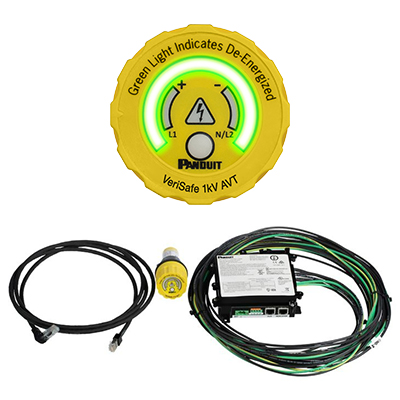
AVTs were invented less than a decade ago, and their usage in data centers is even more recent. Originally conceived to streamline lockout/tagout (LOTO) during panel maintenance, AVTs verify that a panel is truly de-energized before work begins. These devices help technicians avoid exposure to hazards encountered during traditional voltage testing procedures, confirming an absence of voltage while the enclosure remains closed.

Panduit AVT


Benefits of AVTs

  • Risk reduction: Reduces the chance of arc-flash or shock during verification.
  • Speed and standardization: AVTs can save up to 20 minutes per panel accessed, accelerating routine changes, breaker work or cabinet adds/moves; they also reduce variability from inconsistent processes.
  • Deployment flexibility: Installation at the rack or cabinet level reduces risk where most frequent work occurs and helps eliminate unplanned outages caused by human error and limited training.


Cable Cleats

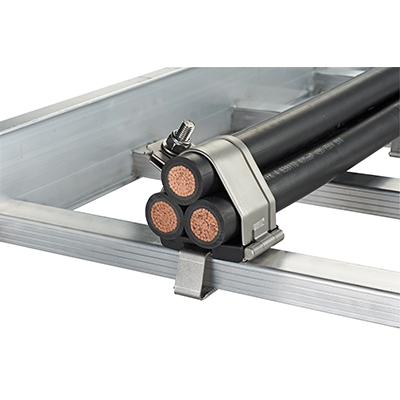
AI has driven data center power demand to levels that are hard to comprehend. It’s placing unprecedented stress on the grey space,  where large bundles of power cables are routed through trays in high-capacity areas like UPS rooms, main switchgear, and around generators. In the event of a short circuit, these cables react violently, driven by electromagnetic forces that occur within milliseconds – much faster than protective circuit breakers can trip. Without proper containment, flying cables can cause secondary faults, equipment damage and personal injury.

Cable cleats are the best containment option to avoid the worst consequences of a fault event.

Panduit cable cleats

Benefits of Cable Cleats

  • Mechanical restraint: During a fault, properly selected cable cleats mechanically restrain cables, absorbing the forces to prevent catastrophic damage.
  • Design precision: The correct cleat type, material and spacing are specified based on cable size and load, tray dimensions and fault levels of each application.
  • Faster installs: Newer strap-type cable cleats simplify installation in high-density data center applications and can reduce rework in retrofit scenarios.


Grounding and Bonding

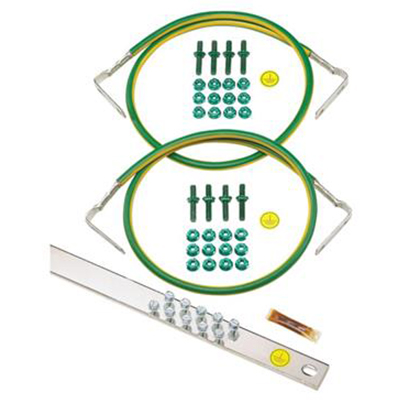
When dealing with power-hungry, sensitive equipment, don’t overlook the basics. The high-speed networking gear, power distribution units (PDUs) and electronics that make data centers function are all vulnerable to power surges, electromagnetic interference (EMI) and improper fault clearing. Inadequate grounding and bonding design not only causes equipment failure; it’s a shock risk for personnel. Investing in a comprehensive ground and bonding system offers a work environment that is safer for both workers and the equipment itself.

Panduit networking products

Benefits of Grounding and Bonding Systems

  • Workplace safety: Ensuring that all metallic components and electrical systems have a low-impedance path to earth enables fast, predictable fault clearing, reducing touch voltage and shock risk.
  • System performance: Effective bonding and grounding lowers EMI and noise, supporting clearer signals and better system stability.
  • Equipment longevity: Consistent grounding practices contribute to long‑term equipment reliability and less maintenance.


Conclusion – Speed Scaling With Safety

Proactively investing in electrical safety does more than minimize negative outcomes for data center operators, it also creates a long-term competitive advantage through better performance and simplified maintenance procedures. It’s a relatively inexpensive strategy that meaningfully contributes to the most important metrics of all: uptime and safety. For AI‑driven data centers under relentless growth pressure, that combination is powerful.


Aerial view of bright modern city

Explore electrical safety solutions from Panduit.


ABOUT THE SPONSOR

This article was brought to you in partnership with Panduit.
Panduit is a global manufacturer of physical infrastructure equipment that supports power, communications, computing, control and security systems. Since 1955, Panduit has delivered innovative connectivity solutions with seamless support and services that help their customers compete and succeed in a constantly evolving global marketplace.


You might also like