
IoMT
Connects medical devices and applications to collect, transmit, and analyze data in real-time, transforming healthcare through collective connectivity.

SPONSORED
By Oberon | September 30, 2024
Read Time: 5 Minutes

The healthcare industry is rapidly evolving, with digital technology playing a crucial role in enhancing patient care and operational efficiency. Advancements like Internet of Medical Things (IoMT), real-time locating systems (RTLS), and electronic health records (EHRs) are transforming processes, while AI and machine learning drive innovation in hospital workflows. Central to this transformation is the role of wireless technologies, such as Wi-Fi, which enable seamless communication in connected healthcare. This article explores the synergy between these technologies, the impact on healthcare delivery, and the importance of compliance in deploying network edge devices, especially those in ceilings, to streamline regulations and enhance patient safety.
Medical telemetry systems monitor vital signs such as heart rate, blood pressure, temperature, oxygen saturation, and respiratory rate. They comprise wearable sensors, EHRs, wireless communication technologies, and advanced data analytics to provide real-time health statistics. Key innovations include:
Connects medical devices and applications to collect, transmit, and analyze data in real-time, transforming healthcare through collective connectivity.
Compact wireless devices, part of the IoMT ecosystem, provide real-time biometric data, replacing traditional wired sensors and allowing for continuous monitoring.
Wireless protocols enable data transmission from sensors to monitoring stations and clinicians' devices, ensuring seamless communication.
Cloud-based platforms offer centralized management of telemetry data, giving providers remote access to patient dashboards, alerts, and analytics, enabling proactive care.
These technologies analyze data, identify trends, and provide actionable insights, enhancing patient care.
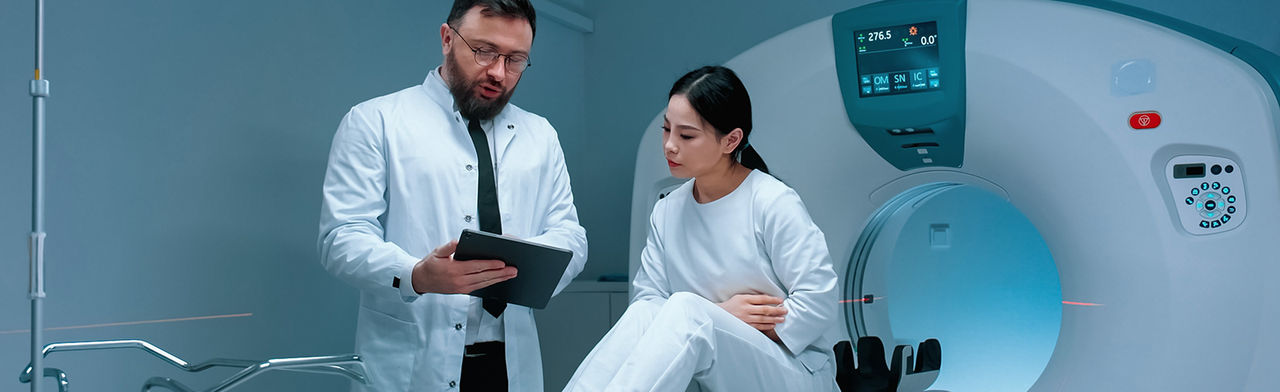
EHR systems are critical in integrating telemetry data and RTLS, giving healthcare providers a comprehensive view of patient health. By combining real-time telemetry data with patient records, EHRs support evidence-based practice, providing clinical guidelines and decision support tools for more efficient care. Devices such as medical monitors, barcode scanners, diagnostic equipment, and wearable devices send data to EHR systems via wireless communication technologies like Bluetooth, Wi-Fi, and cellular networks.
RTLS tracks and monitors the location of objects, people, or assets in real-time. While RTLS is not a standard part of telemetry systems, its integration with IoT is growing, enhancing asset and patient tracking and workflow optimization.
Infection Control Risk Assessment (ICRA) procedures protect patients during construction or maintenance. Pulling network cables through ceilings, especially in patient areas, often requires creating holes, which are not permitted by code.
To comply, installation methods should avoid creating ceiling openings, reducing costs and time spent on sealing holes. Streamlined cable egress enhances both functionality and visual appeal. Installation must adhere to healthcare facility codes for safety, reliability, and equipment functionality.
A secure storage area above the ceiling should be provided for excess cable and connectivity components. Full access to wireless devices and cables for maintenance or upgrades without lifting ceiling tiles is essential, eliminating the need for infection control procedures. Physical security during installation prevents tampering, and a polished finish ensures aesthetic and performance standards are met.
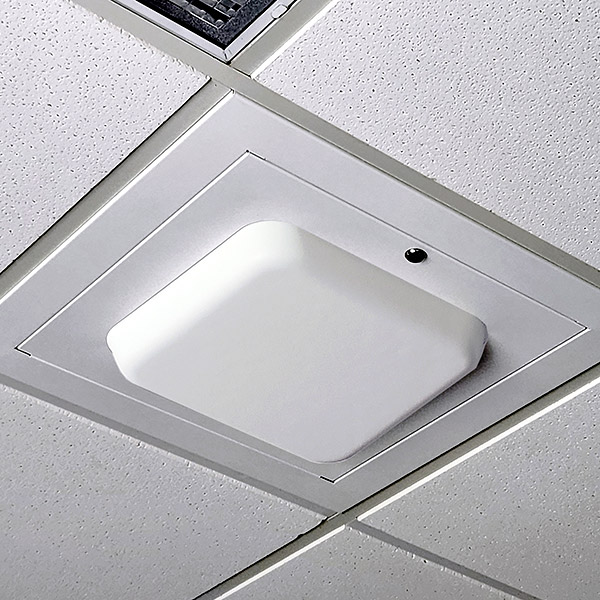
Oberon’s RTLS infrastructure solutions optimize asset and personnel tracking in healthcare settings. The Oberon® Wi-Tile™ Ceiling Enclosure 1047 Series provides secure, compliant mounting for wireless devices. Designed for healthcare environments, it simplifies ICRA compliance and supports easy access and future upgrades.

This article was brought to you in partnership with Oberon.
Oberon, a division of Chatsworth Products, offers a broad selection of secure, convenient, and aesthetic indoor and outdoor enclosures and mounts for securing wireless infrastructure in virtually every venue.